Best learning tool 2026 Comprehensive Rankings & Selection Guide
Our research team has conducted an in-depth analysis of regional consumer trends to curate this definitive list. By evaluating learning tool across four core pillars—long-term durability, functional design, performance standards, and real-world reliability—we've identified the top 10 products that stand out for their overall excellence and value within the Canadian market.

French Grammar Quick-Reference Laminated Study Card for Learners
"Ideal for students, teachers, and self-learners needing a compact, laminated French grammar quick-reference; not a substitute for comprehensive grammar resources."

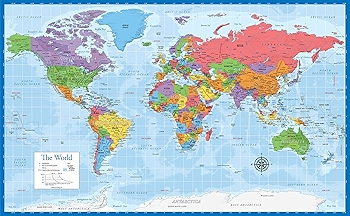
Palace Learning Laminated World Map Poster Wall Chart 18x29
"Ideal for classrooms and kids' rooms needing a durable, easy-to-read world map poster; not suited for professional-grade, detail-heavy cartography."

hand2mind Numberblocks Friends Six to Ten Figurines
"Ideal for Numberblocks fans and early math learners; not ideal for buyers seeking electronic features or ultra-budget toys."

Palace Learning 18x24 Anatomical Poster Set (Laminated, 10-Pack)
"Ideal for medical/nursing students and classrooms needing durable, laminated anatomy references; may be less suited for small spaces or those preferring digital resources."

PandaEar Baby Toddler Silicone Stainless Steel Utensils
"Best for toddlers learning self-feeding with durable, non-slip silicone handles; not ideal for infants or ultra-light, all-plastic preferences."

Blank Comic Book 135 Pages for Create-Your-Own Comics
"Best for beginners, students, and gifting; not ideal for professional publishing or ultra-compact portability."

Learning Resources Brainometry STEM Explorers 3D Puzzle Kit
"Great for ages 5+, classrooms or home learning seeking screen-free STEM play; not ideal for older kids needing tougher puzzles or for buyers prioritizing ultra-durable construction."

HELLOWOOD Kids Cleaning Set - 8 Pcs Wooden Housekeeping Play Kit
"Ideal for parents of 3–6 year olds seeking a realistic, kid-friendly cleaning toy; not recommended for households needing ultra-durable, highly-stable play stands due to wobble/assembly issues."

TimingSXD 112-Card Talking Flash Cards for Toddlers
"Ideal for toddlers ages 1–4 to build vocabulary with a no-screen, audible flash-card system; not recommended for older kids or those seeking apps."

Blue Marble National Geographic Super Gemstone Dig Kit
"Ideal for curious 8-12 year olds who enjoy hands-on science; not ideal for those seeking mess-free, quick activities."