Best stem education 2026 Comprehensive Rankings & Selection Guide
Our research team has conducted an in-depth analysis of regional consumer trends to curate this definitive list. By evaluating stem education across four core pillars—long-term durability, functional design, performance standards, and real-world reliability—we've identified the top 10 products that stand out for their overall excellence and value within the Canadian market.

ELEGOO UNO R3 Robot Car Kit V4 with Line Tracking & Ultrasonic
"Ideal for Arduino learners and makers seeking hands-on robotics; not ideal for those needing a compact, toy-like kit."


Prepared Microscope Slides Kit for Kids & Homeschool — 100 Specimens
"Ideal for homeschoolers and beginner biology students seeking ready-to-view slides; not suited for advanced research or live-specimen work."

Rainbow Spinning Stacking Toy for Toddlers ABS Plastic
"Ideal for toddlers and preschoolers seeking hands-on, screen-free play; not ideal for infants or rough-handling play that may detach parts."

Dan&Darci Balloon Animal Twisting Kit with Pump for Kids
"Great for parents seeking a structured balloon-art project for kids aged eight and up; not ideal for toddlers or for those wanting independent, non-balloon crafts."

Dan&Darci Glow-in-the-Dark Galaxy Puzzle, 100 Pieces
"Ideal for space-loving kids aged 6-8 who enjoy glow-in-the-dark play; not ideal for older kids seeking a highly challenging puzzle or for those who dislike glow effects."
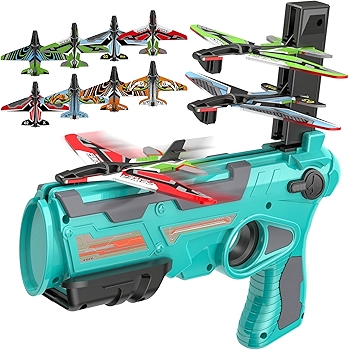
MAGIC-ZONE P1-Airplane-Blue Catapult Foam Plane Toy for Outdoors
"Ideal for 4–8 year olds who enjoy aviation-themed outdoor play; not ideal for kids needing long-range flights or highly durable build."

MEIQ 42-Piece Mini Magnetic Tiles Travel Set with Iron Storage Box
"Best for travel-friendly, screen-free STEM play for ages 3-8; not ideal for heavy-duty building or for children under 3."

Yeetec 24-Pack Magic Speed Cubes & Mini Snake Cube
"Great for birthday goody bags and classroom prizes; not ideal for serious puzzle enthusiasts seeking durable, high-precision cubes."

LEGO Creator 3-in-1 Majestic Rhino with Birds Build and Play
"Great for kids ages 9+ and LEGO fans who crave multi-model, animal-themed play; not ideal for toddlers or those seeking a single-model, quick-build set."

Wookidel Fairy Magic Potion Craft Kit with 20 Bottles
"Great for imaginative kids aged 6–10; not ideal for toddlers due to small parts and glitter mess."