Miuzei 9g SG90 Micro Servo Motor Kit for Arduino (5-Pack) Review 2026: Is it Worth It?

Quick Analysis Verdict
"A budget-friendly kit for hobbyists and makers needing compact micro servos for light RC and Arduino projects; not suitable for high-torque, continuous-duty, or mission-critical applications."
Review Methodology
Why this analysis may help before you buy
Rating signal
We weigh star rating together with 506 visible reviews so a rating is not judged in isolation.
Buyer momentum
Recent purchase activity and category badges help us identify products shoppers are actively considering.
RefreshBuy score
The score combines performance, quality, value, and ease-of-use signals for this category.
Decision Guide
Is Miuzei 9g SG90 Micro Servo Motor Kit for Arduino (5-Pack) a good fit for you?
For shoppers comparing Remote- & App-Controlled Toys products, this Miuzei option looks strongest on value with a 9.0/10 signal. The main area to double-check is performance, especially if that is your top priority.
Multi-servo hobby projects (Arduino/ESP32-controlled robot arms, micro RC control surfaces, automation vents) where compact size and low cost outweigh high torque demands.
limited-but-useful review coverage, 4.4/5 rating, and 50+ recent monthly purchases.
Value score 9.0/10 at $18.99 current tracked price.
Choose it if
You want a Remote- & App-Controlled Toys pick where the strongest measurable signal is value and the current review base is large enough to compare with alternatives.
Compare alternatives if
Your buying decision depends mostly on performance, long-term durability, or a lower final checkout price after marketplace changes.
Before buying
Check both Amazon Canada and Amazon US from this detail page, then compare similar Remote- & App-Controlled Toys products below before deciding.
Multi-servo hobby projects (Arduino/ESP32-controlled robot arms, micro RC control surfaces, automation vents) where compact size and low cost outweigh high torque demands.
Great Value
Moderate — Suitable for months to years of intermittent hobby use; longevity depends on avoiding stalls/overloads and replacing nonstandard horns if mechanically stressed.
Key Buying Points
Reliable PWM response: Standard RC/PWM interface and low deadband deliver snappy position updates (0.08–0.09s/60° range rated), so arms and control surfaces respond smoothly in typical hobby setups.
Compact form factor: Small footprint and low weight make these ideal for cramped builds (micro robots, vents, lightweight UAVs) where space is the primary constraint.
Mixed metal/plastic gearing: Many units include metal gear sets for improved wear resistance on primary drive stages, yielding better longevity than all-plastic variants in usual hobby loads.
Wide compatibility: Works cleanly with Arduino, Nano, ESP32 and most RC receivers without custom drivers—plenty of libraries and community examples accelerate prototyping.
Robust duty cycle claims: Manufacturer-rated running life suggests long service under intermittent use; user tests show sustained sweeps for extended periods without immediate failure.
Good value pack: Sold as a multi-pack, cost per servo is low, making replacements and multi-actuator projects affordable compared with buying single-brand high-torque servos.
Fast practical torque for light loads: While not a high-torque class servo, real-world tests indicate acceptable performance for micro grippers, small robot arms, and RC control surfaces when not overloaded.
The Catch
Travel inconsistency: Multiple users report actual travel limited to ~90° despite wider travel claims — expect less than advertised throw unless you program extra travel and confirm each unit.
Nonstandard horns: Horns are shorter/thinner than standard SG90 fittings, which can break fit with 3D-printed mounts or replacement arms designed for standard horns.
Occasional DOA/quality variance: A small fraction of packs include one unit that doesn't work out of the box—inspect/test every servo on arrival and keep spare units.
Connector fit issues: Some connectors run tight or slightly undersized for standard receivers; minor trimming may be required to seat plugs reliably.
Not for high continuous loads: The retry/cut-in behavior when stalled (audible buzzing under overload) indicates limited stall handling—avoid continuous heavy loads or stalled conditions.
Performance Scorecard
Common Questions & Expert Insights
Q: Will these servos provide the full 120°–180° travel advertised? ▼
Q: Can I power these servos directly from an Arduino 5V pin? ▼
Q: Are the gears fully metal or plastic? Which should I expect? ▼
Q: Do these servos work with standard RC receivers and transmitters? ▼
Q: Can I use these servos in a quadcopter or other flying model? ▼
Q: Will they interface directly with an ESP32 PWM output? ▼
Q: How should I maintain these servos to extend their service life? ▼
Q: Can the plastic/metal gears or horns be replaced if they wear or break? ▼
Q: How do these compare to a genuine TowerPro SG90? ▼
Q: Are these better than higher-cost micro metal-gear servos for robotics? ▼
You May Also Like
Top-rated alternatives in Remote- & App-Controlled Toys
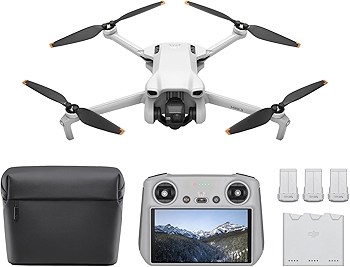 Save 23%
DJI Mini 3 Fly More Combo with DJI RC Lightweight Beginner Drone

DJI Mini 4K Drone Combo with 4K Camera and 62-Min Flight
DJI Mini 4K Fly More Combo — 4K UHD Drone, Under 249 g
 Save 30%
QUNREDA 4WD Stunt RC Car with 360° Rotation Dual-Sided LED Headlights


Gesture Sensing RC Car for Kids All-Wheel Drive with Lights
