Podoy 42'' Flexible Magnesium Anode Rod, 3/4" NPT Thread Review 2026: Is it Worth It?

Quick Analysis Verdict
"For DIY homeowners with limited overhead space who need an affordable sacrificial anode that reduces sulfur odor and slows tank corrosion; not for buyers wanting a weld-quality solid rod or guaranteed long-term protection in highly aggressive water chemis"
Review Methodology
Why this analysis may help before you buy
Rating signal
We weigh star rating together with 608 visible reviews so a rating is not judged in isolation.
Buyer momentum
Recent purchase activity and category badges help us identify products shoppers are actively considering.
RefreshBuy score
The score combines performance, quality, value, and ease-of-use signals for this category.
Decision Guide
Is Podoy 42'' Flexible Magnesium Anode Rod, 3/4" NPT Thread a good fit for you?
For shoppers comparing Plumbing products, this Podoy option looks strongest on ease of use with a 9.0/10 signal. The main area to double-check is quality, especially if that is your top priority.
Replacing a depleted anode in a water heater with limited overhead clearance where a straight rod won't fit, and where odor or early rust is the primary problem.
limited-but-useful review coverage, 4.4/5 rating, and 50+ recent monthly purchases.
Value score 8.0/10 at $42.99 current tracked price.
Choose it if
You want a Plumbing pick where the strongest measurable signal is ease of use and the current review base is large enough to compare with alternatives.
Compare alternatives if
Your buying decision depends mostly on quality, long-term durability, or a lower final checkout price after marketplace changes.
Before buying
Check both Amazon Canada and Amazon US from this detail page, then compare similar Plumbing products below before deciding.
Replacing a depleted anode in a water heater with limited overhead clearance where a straight rod won't fit, and where odor or early rust is the primary problem.
Great Value
Typically 1.5–4 years depending on water chemistry and current tank condition; segmented joints and lower mass mean faster depletion in aggressive water.
Key Buying Points
Hinged four-segment flexible design — allows installation through small access gaps and tight overhead spaces without removing insulation or disassembling the heater.
Magnesium-based alloy (≈90% Mg + 10% Al) — actively combats hydrogen sulfide, often eliminating 'rotten egg' odor within days in well-water cases.
Standard 3/4" NPT threaded head and included 27mm socket — enables direct fit on most US heaters (Rheem, A.O. Smith, GE, Kenmore) and faster DIY swap-outs with common tools.
Cut-to-fit capability — each segment is <11" so you can shorten safely with a hacksaw for nonstandard tanks without losing sealing integrity when wrapped properly.
Sacrificial corrosion protection — intended to corrode preferentially and extend tank life compared with leaving a depleted anode in place.
Kit completeness — ships with socket and plumber’s tape, reducing trips to the hardware store and lowering first-install friction for homeowners.
Fast odor and rust reduction in field reports — multiple user accounts confirm rust/odor elimination within days to months after replacement when anode was the root cause.
The Catch
Quality control issues reported — several reviews describe poorly machined threads that would not screw into the tank, causing returns and on-site failures.
Limited predictable lifespan — product literature suggests about two years of protection, but longevity varies widely with water chemistry and some users expected longer service.
Lighter, segmented construction — flexibility trades off mass of sacrificial metal compared with solid rods, which can reduce total available sacrificial material.
Inconsistent accessories — included plumber’s tape quality varies by box; many users recommend using your own higher grade tape and anti-seize.
Not a drop-in solution for every problem — does not fix element or tank-side mechanical failures; ineffective if the original issue is scale or an internal leak rather than anode depletion.
Performance Scorecard
Common Questions & Expert Insights
Q: Will this anode stop the rotten egg (sulfur) smell in my hot water? ▼
Q: Will this fit my Rheem, A.O. Smith, GE or Kenmore water heater? ▼
Q: Is the flexible design reliable compared with a solid anode rod? ▼
Q: Will the anode rod prevent my tank from leaking or failing completely? ▼
Q: What if the threads won't screw into my heater — any fixes? ▼
Q: Can I shorten this rod for a smaller tank and still get a leak-proof seal? ▼
Q: How often should I inspect or replace this magnesium anode? ▼
Q: How do I check if the anode is still working without removing it? ▼
Q: How does this magnesium segmented rod compare to powered (electronic) anode alternatives? ▼
Q: Magnesium vs aluminum/zinc anode — which is better for odor control and corrosion? ▼
You May Also Like
Top-rated alternatives in Plumbing
 Save 33%
Delta RP46074 MultiChoice 13/14 Series Cartridge Assembly
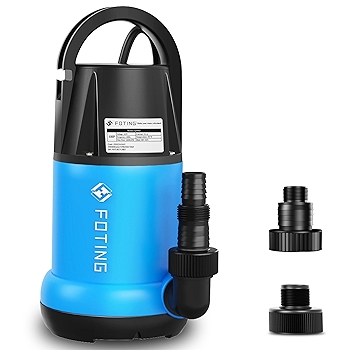
FOTING 1HP Submersible Water Pump - Clean/Dirty Water, 4500GPH

AQUASTRONG 1HP Sump Pump 4500 GPH Submersible with 10ft Cord

YOUHO 5.9 Inch Anti-Clockwise Portable AC Exhaust Hose 15-80 Inch

Cinola Upgraded Dual-Handle Wall-Mounted Toilet Plunger with Holder

LUTICO Drain Snake Hair Clog Remover for Sink, Shower, Tub

 Save 25%