EBL 1100mAh AA Rechargeable Batteries — 20-Count for Solar Lights Review 2026: Is it Worth It?

Quick Analysis Verdict
"Best for homeowners or gardeners who need an affordable bulk pack to run outdoor solar lights and low-drain remotes; not ideal for users needing high-capacity cells for sustained high-drain devices."
Review Methodology
Why this analysis may help before you buy
Rating signal
We weigh star rating together with 1,658 visible reviews so a rating is not judged in isolation.
Buyer momentum
Recent purchase activity and category badges help us identify products shoppers are actively considering.
RefreshBuy score
The score combines performance, quality, value, and ease-of-use signals for this category.
Decision Guide
Is EBL 1100mAh AA Rechargeable Batteries — 20-Count for Solar Lights a good fit for you?
For shoppers comparing Remote- & App-Controlled Toys products, this EBL option looks strongest on ease of use with a 9.0/10 signal. The main area to double-check is performance, especially if that is your top priority.
Replacing disposable AAs in outdoor solar garden lights and other low-drain household devices where bulk, climate tolerance, and cost matter most.
strong review coverage, 4.3/5 rating, and 50+ recent monthly purchases.
Value score 8.0/10 at $23.74 with 5% savings.
Choose it if
You want a Remote- & App-Controlled Toys pick where the strongest measurable signal is ease of use and the current review base is large enough to compare with alternatives.
Compare alternatives if
Your buying decision depends mostly on performance, long-term durability, or a lower final checkout price after marketplace changes.
Before buying
Check both Amazon Canada and Amazon US from this detail page, then compare similar Remote- & App-Controlled Toys products below before deciding.
Replacing disposable AAs in outdoor solar garden lights and other low-drain household devices where bulk, climate tolerance, and cost matter most.
Great Value
Moderate — expect hundreds of recharge cycles with proper charging and storage; capacity will gradually decline over 12–24 months depending on use and charge discipline.
Key Buying Points
1100mAh NiMH chemistry: Offers consistent runtime for low-drain devices like solar garden lights and remotes while remaining affordable.
Wide temperature tolerance: Specified operation from -4°F to 140°F makes these suitable for outdoor seasonal use, including cold-weather solar charging.
Dual charging paths: Can be recharged via solar panels or standard NiMH battery chargers, providing flexibility for off-grid and indoor charging.
Pre-charged and packaged: Ships pre-charged and supplied in four protective storage cases (4 per case), simplifying inventory and transport.
Bulk 20-pack: Reduces replacement frequency for multi-light installations and lowers per-cell cost compared with single-buy alternatives.
Device match: Optimized for low-drain devices (solar lights, remotes, wireless mice/keyboards) where steady discharge and multiple recharges matter more than peak current.
Lower self-heating: NiMH chemistry and modest capacity reduce internal heating under typical loads, improving safety in enclosed solar light housings.
Brand support guidance: Manufacturer recommends using an EBL universal charger when sunlight is insufficient, helping avoid improper charging methods.
The Catch
Lower capacity vs modern cells: At 1100mAh these deliver less runtime than contemporary 1800–2500mAh AA NiMH cells, which matters for high-drain devices.
Not ideal for high-drain tools: Expect voltage sag and significantly shorter runtimes in high-current devices (high-lumen flashlights, pro cameras, some RC gear).
Cycle-life ambiguity: Product listing lacks a clear cycle-life spec; lower-capacity cells often trade capacity for fewer guaranteed cycles than premium cells.
Potential packaging variability: Listing warns of random packaging upgrades — may receive different wrappers or cases, complicating stock consistency for resellers.
Solar-charge caveats: Charging speed from small solar panels can be slow; some panels/charge controllers may not fully charge cells during short winter daylight periods.
Self-discharge concerns: Standard NiMH cells exhibit higher self-discharge than low-SD variants, so long-term stored cells may need a top-up before use.
Performance Scorecard
Common Questions & Expert Insights
Q: Are these batteries suitable for high-drain devices like DSLR cameras or high-lumen flashlights? ▼
Q: Can these batteries be charged directly by solar garden light panels? ▼
Q: Do these come ready-to-use right out of the box? ▼
Q: Will these work with standard NiMH battery chargers or smart chargers? ▼
Q: Are these batteries a drop-in replacement for alkaline in TV remotes and wireless devices? ▼
Q: Will these survive outdoor conditions during winter? ▼
Q: How should I store these batteries long-term to maintain health? ▼
Q: What charging and usage habits maximize lifetime? ▼
Q: How do these compare to higher-capacity 2000mAh+ NiMH cells? ▼
Q: Are these a better choice than disposable alkaline AAs for garden solar lights? ▼
You May Also Like
Top-rated alternatives in Remote- & App-Controlled Toys
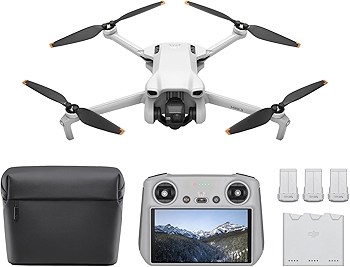 Save 23%
DJI Mini 3 Fly More Combo with DJI RC Lightweight Beginner Drone

DJI Mini 4K Drone Combo with 4K Camera and 62-Min Flight
DJI Mini 4K Fly More Combo — 4K UHD Drone, Under 249 g
 Save 30%
QUNREDA 4WD Stunt RC Car with 360° Rotation Dual-Sided LED Headlights


Gesture Sensing RC Car for Kids All-Wheel Drive with Lights
