Ernie Ball Skinny Top Heavy Bottom 7-String Slinky 10-62 Review 2026: Is it Worth It?

Quick Analysis Verdict
"Best for 7-string lead players who want easy-bending trebles with a tight low end; not for players seeking coated longevity or ultra-light gauges."
Review Methodology
Why this analysis may help before you buy
Rating signal
We weigh star rating together with 616 visible reviews so a rating is not judged in isolation.
Buyer momentum
Recent purchase activity and category badges help us identify products shoppers are actively considering.
RefreshBuy score
The score combines performance, quality, value, and ease-of-use signals for this category.
Decision Guide
Is Ernie Ball Skinny Top Heavy Bottom 7-String Slinky 10-62 a good fit for you?
For shoppers comparing Guitars products, this Ernie Ball option looks strongest on performance with a 9.0/10 signal. The main area to double-check is ease of use, especially if that is your top priority.
Lead-focused 7-string players who want low bending resistance on trebles and firm, articulate low-end for heavy rhythm and drop tunings.
limited-but-useful review coverage, 4.7/5 rating, and 50+ recent monthly purchases.
Value score 9.0/10 at $12.99 current tracked price.
Choose it if
You want a Guitars pick where the strongest measurable signal is performance and the current review base is large enough to compare with alternatives.
Compare alternatives if
Your buying decision depends mostly on ease of use, long-term durability, or a lower final checkout price after marketplace changes.
Before buying
Check both Amazon Canada and Amazon US from this detail page, then compare similar Guitars products below before deciding.
Lead-focused 7-string players who want low bending resistance on trebles and firm, articulate low-end for heavy rhythm and drop tunings.
Great Value
Moderate — fresh-bright tone out of the pack, but uncoated nickel shows tonal wear within weeks to months depending on player hygiene; factory seal preserves freshness until opened.
Key Buying Points
Hybrid 10-62 gauge: Skinny top strings reduce bend resistance for expressive lead work while heavy bottom strings keep low-end notes tight and defined during rhythm playing.
Nickel-wound construction: Delivers a bright, balanced tone and familiar Slinky feel favored by rock and metal players for clarity and harmonics.
Uncoated finish: Maximizes immediate brightness and finger feel, improving vibrato and articulation for soloing at the cost of quicker surface wear.
Element Shield factory sealing: Preserves string freshness and factory tension in storage, so sets sound new and stable right out of the pack.
Made in USA manufacturing: Consistent winding and material quality yield predictable intonation and fewer premature defects compared with inconsistent off-brand sets.
High bottom-end tension: Supports drop tunings and heavy riffing on 7-string instruments without flabby low notes or muddy response.
Broad hardware compatibility: Works with most 7-string bridges, locking nuts and floating tremolos when strings are stretched and installed correctly.
The Catch
Uncoated nickel will tarnish faster from sweat and oils, so brightness drops sooner than with coated alternatives.
Heavier low strings increase overall neck tension; many guitars will need truss-rod and intonation adjustments after switching from lighter sets.
Thin top strings still remain vulnerable to breakage under extreme bending or aggressive pinch harmonics despite the hybrid design.
Hybrid gauge changes can make restringing and winding slower and more fiddly—heavier bass strings require more effort to seat and tune.
Players seeking long-lasting, low-maintenance tone (touring or heavy sweat environments) may find uncoated Slinkys a poor fit.
Performance Scorecard
Common Questions & Expert Insights
Q: Will these strings fit any 7-string electric guitar? ▼
Q: Do I need a professional setup after installing these heavier bottom strings? ▼
Q: Are these strings suitable for use with tremolo bridges and locking nuts? ▼
Q: Are these Ernie Ball strings coated? ▼
Q: Can I reliably tune these to drop tunings or baritone ranges? ▼
Q: Will these strings work on longer or shorter scale lengths? ▼
Q: How can I extend the life of these uncoated strings? ▼
Q: Can I protect or recoat these strings after opening? ▼
Q: How do these compare tonally to coated 7-string sets? ▼
Q: How do these hybrid Slinkys compare to standard uniform-gauge 7-string sets? ▼
You May Also Like
Top-rated alternatives in Guitars

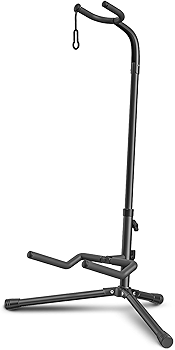
GLEAM CG-4 Adjustable Folding Guitar Stand for Electric & Classical

D'Addario EJ16 Phosphor Bronze Acoustic Strings – Light Gauge 3-Pack

Yamaha FG800J NT 6-String Beginner Guitar with Spruce Top


Amazon Basics Adjustable Folding Guitar Stand, Fully Assembled

BOSS RC-1 Loop Station Pedal – Ultra-Simple Looping for Practice & Songwriting
