Vansuny 2-in-1 USB-C/USB-A 32GB OTG Flash Drive (USB 2.0) Review 2026: Is it Worth It?

Quick Analysis Verdict
"Good for users who need an inexpensive, connector‑bridging thumb drive for occasional file transfers between phones and older PCs; not for critical backups or heavy daily use."
Review Methodology
Why this analysis may help before you buy
Rating signal
We weigh star rating together with 561 visible reviews so a rating is not judged in isolation.
Buyer momentum
Recent purchase activity and category badges help us identify products shoppers are actively considering.
RefreshBuy score
The score combines performance, quality, value, and ease-of-use signals for this category.
Decision Guide
Is Vansuny 2-in-1 USB-C/USB-A 32GB OTG Flash Drive (USB 2.0) a good fit for you?
For shoppers comparing Computers & Accessories products, this Vansuny option looks strongest on ease of use with a 7.0/10 signal. The main area to double-check is performance, especially if that is your top priority.
Temporary cross‑device transfers and occasional boot/install media where convenience matters more than transfer speed or long‑term reliability.
limited-but-useful review coverage, 4.3/5 rating, and 500+ recent monthly purchases.
Value score 6.0/10 at $12.99 current tracked price.
Choose it if
You want a Computers & Accessories pick where the strongest measurable signal is ease of use and the current review base is large enough to compare with alternatives.
Compare alternatives if
Your buying decision depends mostly on performance, long-term durability, or a lower final checkout price after marketplace changes.
Before buying
Check both Amazon Canada and Amazon US from this detail page, then compare similar Computers & Accessories products below before deciding.
Temporary cross‑device transfers and occasional boot/install media where convenience matters more than transfer speed or long‑term reliability.
Fair
Short to moderate — metal shell helps, but quality‑control issues mean typical lifespan is limited for heavy use; expect intermittent units and plan for replacements.
Key Buying Points
Dual‑connector convenience — USB‑C and USB‑A on one stick removes the need for adapters and speeds device-to-device handoffs in mixed ecosystems.
Plug‑and‑play compatibility — Recognized by Windows, macOS, Linux and most OTG Android devices out of the box (default exFAT format), so you can move photos and documents without drivers.
Predictable USB 2.0 throughput — Real‑world reads around 25–30 MB/s and writes near 8–12 MB/s, adequate for documents, installers and photos but slow for large video libraries.
Metal housing with cap protection — The metal shell provides shock and splash resistance plus heat dissipation, improving physical durability compared with plastic sticks.
Low maintenance for casual users — Default exFAT works across platforms; occasional reformatting fixes device mismatches and keeps the drive usable.
Compact, travel friendly — Slim profile and cap make it easy to carry for fieldwork or handing off project files between machines.
Budget storage option — Low cost per unit makes it suitable for staging, temporary archives, or distributing installers where high performance is not required.
The Catch
Intermittent reliability — Multiple user reports of transfer failures and one‑off corruptions indicate inconsistent quality control; do not trust for single‑copy backups.
USB 2.0 speed bottleneck — The older bus standard means long transfer times for large files and poor performance for repeated daily use.
Connector inconsistency — Some units show one connector (usually USB‑A) working while the USB‑C side fails or is flaky on arrival.
Cap and connector vulnerability — The protective cap can be lost and exposed connectors increase the risk of damage if carried loosely.
Variable lifespan — Review evidence shows some drives fail after short use; expect uneven longevity across batches.
Performance Scorecard
Common Questions & Expert Insights
Q: Is this drive safe for storing my only copy of important files? ▼
Q: Can I create a bootable Windows installer on this drive? ▼
Q: Will both the USB‑C and USB‑A connectors work interchangeably every time? ▼
Q: Will this work with my Android phone and iPad Pro? ▼
Q: Is the drive fast enough for moving large 4K video files? ▼
Q: Will macOS and Linux detect this drive without drivers? ▼
Q: How should I format the drive for best cross‑device compatibility? ▼
Q: What steps reduce the chance of file corruption on this stick? ▼
Q: How does this compare to a USB 3.0 flash drive? ▼
Q: Is this dual‑drive better than carrying separate adapters for USB‑A and USB‑C? ▼
You May Also Like
Top-rated alternatives in Computers & Accessories

 Save 40%
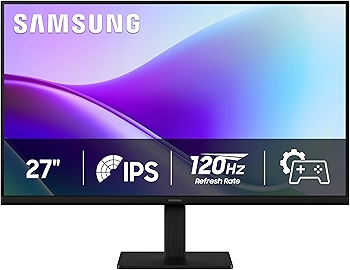
Samsung LS27F320GANXZA 27-Inch IPS FHD 120Hz Monitor with Game Mode
 Save 40%
 Save 29%
Samsung 9100 PRO 1TB PCIe 5.0 x4 NVMe M.2 SSD - Thermal Control
 Save 23%
TP-Link RE550 AC1900 WiFi Extender - Wide Coverage, 2.8k Sq Ft, 35 Devices
 Save 26%
Logitech Brio 101 Full HD 1080p Webcam with Privacy Shutter

Logitech MK270 Wireless Keyboard and Mouse Combo – Long Battery Life, Quiet Typing
 Save 32%