TP-Link Archer TX20U AX1800 Dual-Band Wi-Fi 6 USB 3.0 Adapter Review 2026: Is it Worth It?

Quick Analysis Verdict
"Great choice for Windows desktops or laptops that need a plug-in Wi‑Fi 6 upgrade for gaming and streaming; not a fit if you need native Mac/Linux support or want a truly compact dongle."
Review Methodology
Why this analysis may help before you buy
Rating signal
We weigh star rating together with 114 visible reviews so a rating is not judged in isolation.
Buyer momentum
Recent purchase activity and category badges help us identify products shoppers are actively considering.
RefreshBuy score
The score combines performance, quality, value, and ease-of-use signals for this category.
Decision Guide
Is TP-Link Archer TX20U AX1800 Dual-Band Wi-Fi 6 USB 3.0 Adapter a good fit for you?
For shoppers comparing Computers & Accessories products, this TP-Link option looks strongest on performance with a 8.0/10 signal. The main area to double-check is quality, especially if that is your top priority.
Upgrading a Windows desktop or USB‑equipped laptop to Wi‑Fi 6 for lower latency gaming and higher throughput in multi‑device homes.
limited-but-useful review coverage, 4.0/5 rating, and 50+ recent monthly purchases.
Value score 8.0/10 at $29.99 with 33% savings.
Choose it if
You want a Computers & Accessories pick where the strongest measurable signal is performance and the current review base is large enough to compare with alternatives.
Compare alternatives if
Your buying decision depends mostly on quality, long-term durability, or a lower final checkout price after marketplace changes.
Before buying
Check both Amazon Canada and Amazon US from this detail page, then compare similar Computers & Accessories products below before deciding.
Upgrading a Windows desktop or USB‑equipped laptop to Wi‑Fi 6 for lower latency gaming and higher throughput in multi‑device homes.
Great Value
Moderate — designed for 2+ years under typical use; majority of buyers report long service, but documented early disconnect failures mean practical expectancy is ~1.5–3 years with warranty coverage advisable.
Key Buying Points
AX1800 Wi‑Fi 6 radio paired with SuperSpeed USB delivers materially higher throughput than older AC adapters — real-world users reported multi‑hundred Mbps improvements vs integrated legacy cards, enabling smoother 4K streaming and faster downloads.
OFDMA and MU‑MIMO reduce contention on busy networks — in homes with many devices you’ll see steadier multi‑device performance and lower gaming latency compared with single‑stream USB adapters.
Beamforming plus an external high‑gain antenna improves signal reach and stability — several reviews describe usable performance across multiple floors where the internal card was weak.
WPA3 support updates encryption and personal network protection — useful for securing modern routers and avoiding older WPA2 vulnerabilities.
SuperSpeed USB interface avoids a USB bottleneck when used in a USB 3.x port — plug into a blue USB 3 port for best throughput; on USB 2.0 the adapter will be constrained and speeds drop noticeably.
Two‑year warranty and 24/7 TP‑Link support provide a safety net for failures — practical if you prefer vendor-backed RMA over community driver fixes.
Large thumb/flash-style form factor improves thermal handling and reception stability but impacts adjacent port access — consider a short USB extension to preserve neighboring ports when used on laptops.
The Catch
Several reports of random disconnects appearing after a few months — while many units remain reliable, intermittent dropouts have been reported and may require RMA.
Requires manual driver installation for best results — the device may need the driver from TP‑Link’s site and some users found shipped drivers outdated.
Bulky footprint can block adjacent USB ports — the wide housing is stable but often occupies two side‑by‑side ports.
Windows‑centric support — official compatibility lists Windows 11/10 only; Mac and many Linux users should expect limited or no official driver support.
Speed variability during short speed tests — users report fluctuating instantaneous throughput (spikes/dips), so peak numbers may not reflect consistent single‑test stability.
Performance Scorecard
Common Questions & Expert Insights
Q: Will this work with macOS or Linux? ▼
Q: Does the adapter need drivers to function? ▼
Q: Is long‑term stability a concern? ▼
Q: Can it deliver gigabit speeds for internet plans above 300 Mbps? ▼
Q: Will it work if plugged into a USB 2.0 port? ▼
Q: Are the antennas removable or upgradeable? ▼
Q: How do I update or reinstall the drivers if I get disconnects? ▼
Q: What troubleshooting steps stop random dropouts? ▼
Q: Is this better than a typical internal Wi‑Fi card? ▼
Q: How does it compare to older AC USB adapters? ▼
You May Also Like
Top-rated alternatives in Computers & Accessories

 Save 40%
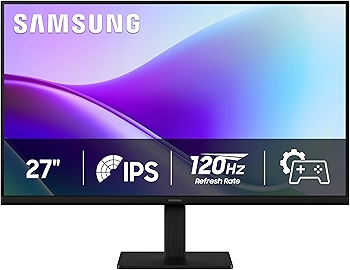
Samsung LS27F320GANXZA 27-Inch IPS FHD 120Hz Monitor with Game Mode
 Save 40%
 Save 29%
Samsung 9100 PRO 1TB PCIe 5.0 x4 NVMe M.2 SSD - Thermal Control
 Save 23%
TP-Link RE550 AC1900 WiFi Extender - Wide Coverage, 2.8k Sq Ft, 35 Devices
 Save 26%
Logitech Brio 101 Full HD 1080p Webcam with Privacy Shutter

Logitech MK270 Wireless Keyboard and Mouse Combo – Long Battery Life, Quiet Typing
 Save 32%