Polymaker PETG High-Speed 1.75mm Filament, 1kg White Review 2026: Is it Worth It?

Quick Analysis Verdict
"Best for makers and small-scale fabricators who need a strong, AMS-ready PETG with excellent layer bonding; not for users who want truly plug-and-play, moisture-free printing at maximum advertised speeds."
Review Methodology
Why this analysis may help before you buy
Rating signal
We weigh star rating together with 2,478 visible reviews so a rating is not judged in isolation.
Buyer momentum
Recent purchase activity and category badges help us identify products shoppers are actively considering.
RefreshBuy score
The score combines performance, quality, value, and ease-of-use signals for this category.
Decision Guide
Is Polymaker PETG High-Speed 1.75mm Filament, 1kg White a good fit for you?
For shoppers comparing 3D Printing & Scanning products, this Polymaker option looks strongest on performance with a 8.0/10 signal. The main area to double-check is ease of use, especially if that is your top priority.
Functional, load-bearing and outdoor parts printed on FDM machines with AMS/multi-material setups or when long-term dimensional stability is required.
strong review coverage, 4.4/5 rating, and 50+ recent monthly purchases.
Value score 7.0/10 at $23.99 with 10% savings.
Choose it if
You want a 3D Printing & Scanning pick where the strongest measurable signal is performance and the current review base is large enough to compare with alternatives.
Compare alternatives if
Your buying decision depends mostly on ease of use, long-term durability, or a lower final checkout price after marketplace changes.
Before buying
Check both Amazon Canada and Amazon US from this detail page, then compare similar 3D Printing & Scanning products below before deciding.
Functional, load-bearing and outdoor parts printed on FDM machines with AMS/multi-material setups or when long-term dimensional stability is required.
Fair
Good—PETG chemistry and solid spool handling yield durable printed parts; lifespan depends on correct drying, printing temps, and avoiding batch anomalies.
Key Buying Points
High-Speed Formula: Engineered for faster printing than generic PETG—real-world prints can reach elevated line speeds while retaining good surface finish when tuned.
Superior Layer Adhesion: Reformulated chemistry reduces delamination, producing durable, functional parts such as brackets and jigs that survive mechanical stress.
AMS-Ready Spool: Neatly wound and vacuum-sealed for multi-material systems—feeds smoothly through AMS and MM feeders in most setups when spool winding is correct.
Good Thermal Performance: Rated for elevated heat resistance (useful for outdoor mounts and fixtures) and retains dimensional stability better than PLA in warm conditions.
Reliable Surface Finish: Produces glossy, smooth vertical faces and consistent coloration when proper temperature/flow settings are used.
Minimal Warping: Prints reliably without an enclosure in many cases, making it convenient for printers in home and small-shop environments.
Strong Out-of-Box Potential: Many users report great first-run results with stock Polymaker profiles—expect exceptional results if you apply the vendor profile and dry filament beforehand.
The Catch
Moisture Sensitivity on Arrival: Several customers report higher-than-expected moisture content despite vacuum packaging—drying before critical prints is often necessary.
Batch Inconsistency: Some rolls print flawlessly while others from the same series behave poorly (sticky bed, brittle fragments) — QA variability has been reported.
Occasional Winding/Spool Issues: A minority of spools arrive miswound and can jam AMS systems or cause feed failures during unattended prints.
Requires Higher Temps and Tuning: Achieving the best results typically needs hotter nozzles and tuned flow/retraction; running at the fastest advertised speeds often sacrifices quality.
Adhesion Trade-offs: Strong bed adhesion can make part removal difficult on some surfaces, and some users report the filament can be overly tacky without a release aid.
Performance Scorecard
Common Questions & Expert Insights
Q: Can I use this filament for load-bearing brackets and functional parts? ▼
Q: Will the filament print perfectly out of the box without drying? ▼
Q: Is this filament consistently manufactured across all spools? ▼
Q: Does Polymaker PETG work with AMS or multi-material systems? ▼
Q: What nozzle and bed temperatures does this PETG prefer? ▼
Q: Will this filament work on both Bowden and direct-drive printers? ▼
Q: How should I dry and store Polymaker PETG long-term? ▼
Q: How often will I need to re-dry the filament between print sessions? ▼
Q: How does this PETG compare to printing with PLA for functional pieces? ▼
Q: How does Polymaker PETG (this formula) compare to Polymaker HF or other premium PETGs? ▼
You May Also Like
Top-rated alternatives in 3D Printing & Scanning
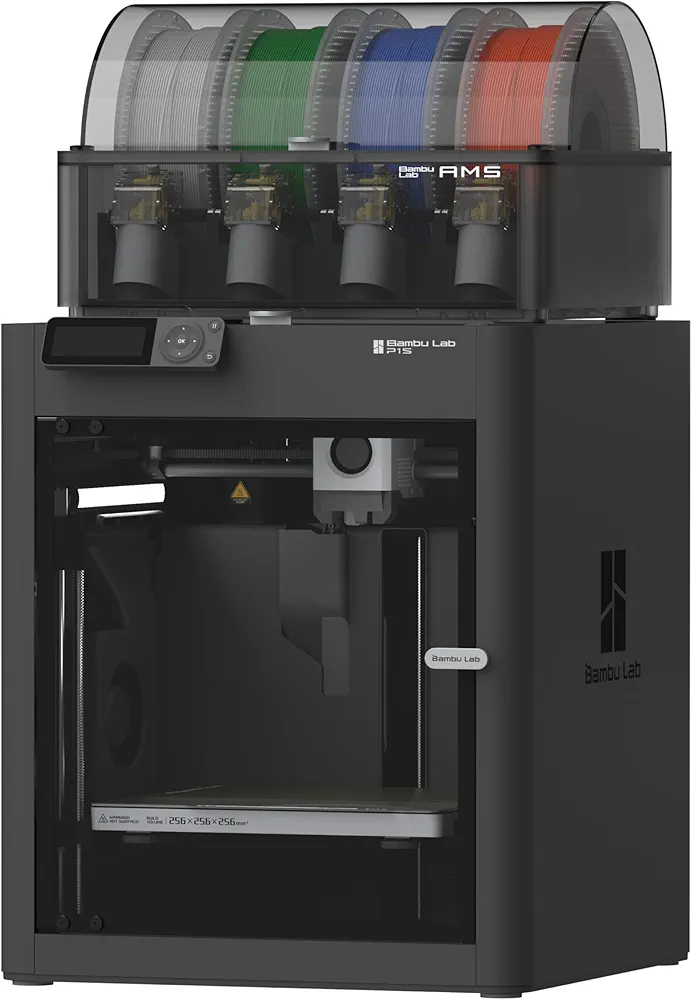
Bambu Lab P1S Combo Multicolor Enclosed 3D Printer with AMS
 Save 25%
ELEGOO Rapid PETG Filament 1.75mm 4KG High-Speed Printing
 Save 30%
 Save 37%
GIANTARM Silk PLA Filament Gold 1.75mm, 1kg, Vacuum Packed, Tough

FLASHFORGE Adventurer 5M Auto-Leveling 600mm/s 3D Printer
 Save 32%
Overture PETG Filament 1.75mm – Reliable, Clog-Free 3D Printing Filament
 Save 29%
