PiSFAU 150W Car Power Inverter with Dual USB Ports Review 2026: Is it Worth It?

Quick Analysis Verdict
"Compact, budget inverter for charging laptops, phones and small electronics on the road; not suitable for running high-draw appliances or sensitive medical equipment long-term."
Review Methodology
Why this analysis may help before you buy
Rating signal
We weigh star rating together with 6,956 visible reviews so a rating is not judged in isolation.
Buyer momentum
Recent purchase activity and category badges help us identify products shoppers are actively considering.
RefreshBuy score
The score combines performance, quality, value, and ease-of-use signals for this category.
Decision Guide
Is PiSFAU 150W Car Power Inverter with Dual USB Ports a good fit for you?
For shoppers comparing Car & Vehicle Electronics products, this PiSFAU option looks strongest on ease of use with a 8.0/10 signal. The main area to double-check is performance, especially if that is your top priority.
Charging laptops, phones, tablets and other low-power electronics during road trips or short mobile tasks where portability matters more than continuous high output.
very broad review coverage, 4.3/5 rating, and 200+ recent monthly purchases.
Value score 6.0/10 at $27.99 with 22% savings.
Choose it if
You want a Car & Vehicle Electronics pick where the strongest measurable signal is ease of use and the current review base is large enough to compare with alternatives.
Compare alternatives if
Your buying decision depends mostly on performance, long-term durability, or a lower final checkout price after marketplace changes.
Before buying
Check both Amazon Canada and Amazon US from this detail page, then compare similar Car & Vehicle Electronics products below before deciding.
Charging laptops, phones, tablets and other low-power electronics during road trips or short mobile tasks where portability matters more than continuous high output.
Fair
12–24 months under light-to-moderate intermittent use; heavy or sustained loads, frequent cigarette-socket use, or excessive heat can shorten life significantly.
Key Buying Points
150W continuous / 300W peak output — good for laptops, tablets and small fans during short trips without overloading the cigarette-socket circuit.
110V AC outlet plus Dual USB (3.1A total) — lets you power a laptop and charge two USB devices simultaneously for convenience on the go.
Smart chip with automatic shutdown and built-in fuse — provides basic protection against overloads and short-circuits to reduce immediate failure risk.
Metal housing and thermal protection — improves heat dissipation compared with plastic housings and reduces thermal throttling on sustained moderate loads.
Ultra-compact footprint (credit-card style) — easy to store and carry in a glovebox or travel bag for occasional roadside power needs.
Claims compatibility with CPAPs and medical accessories — can run low-power models briefly, useful for emergency or travel backups when used within wattage limits.
Plug-and-play cigarette lighter connection — no wiring required for quick temporary use, ideal for day trips and short charging sessions.
Over/under voltage protections — helps prevent damage to both the inverter and connected devices if vehicle battery voltage swings occur.
The Catch
Limited continuous capacity — 150W limits use to small electronics; many reviewers complain units shut down or trip when attempting higher startup-surge devices.
Likely modified-sine output — may cause humming, inefficiency or malfunction with sensitive electronics, some medical devices and certain chargers.
Cigarette-socket use can overheat or blow vehicle fuses — long runs at near-maximum draw strain the socket and wiring.
Durability concerns — budget inverters commonly show shortened lifespans under repeated heavy use; expect intermittent failures after months with hard use.
Vague support and documentation — limited manufacturer detail on waveform and warranty makes troubleshooting and safe use harder for non-technical buyers.
Performance Scorecard
Common Questions & Expert Insights
Q: Can this inverter run a full-size CPAP machine overnight? ▼
Q: Is this safe to use with any medical device? ▼
Q: Will this inverter damage my laptop adapter or laptop? ▼
Q: Is the output a pure sine wave or modified sine wave? ▼
Q: Can I run the inverter from my cigarette-lighter socket for long durations? ▼
Q: Will the USB ports support fast-charge protocols like PD or Quick Charge? ▼
Q: How do I replace the fuse if it blows? ▼
Q: What maintenance will prolong the inverter's life? ▼
Q: How does this 150W inverter compare to a 1000W car inverter? ▼
Q: Is this better than using a dedicated car laptop DC adapter or USB car charger? ▼
You May Also Like
Top-rated alternatives in Car & Vehicle Electronics

DELLFY M95 4K 4-Channel Dash Cam with GPS, High-Speed WiFi & Supercapacitor
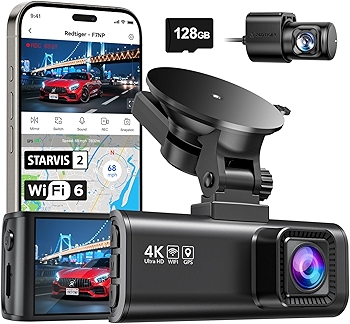
REDTIGER F7NP Dash Cam – Dual-Channel 4K Front + 1080p Rear, GPS, Wi-Fi, Night Vision

Madoec S9 Pro 9-Inch Wireless CarPlay Screen with Dash Cam


 Save 29%
E-YEEGER GT830 4K Front & 1080p Rear Dash Cam with Night Vision
 Save 27%
LENCENT T25 Bluetooth FM Transmitter with Dual USB Charging
 Save 32%